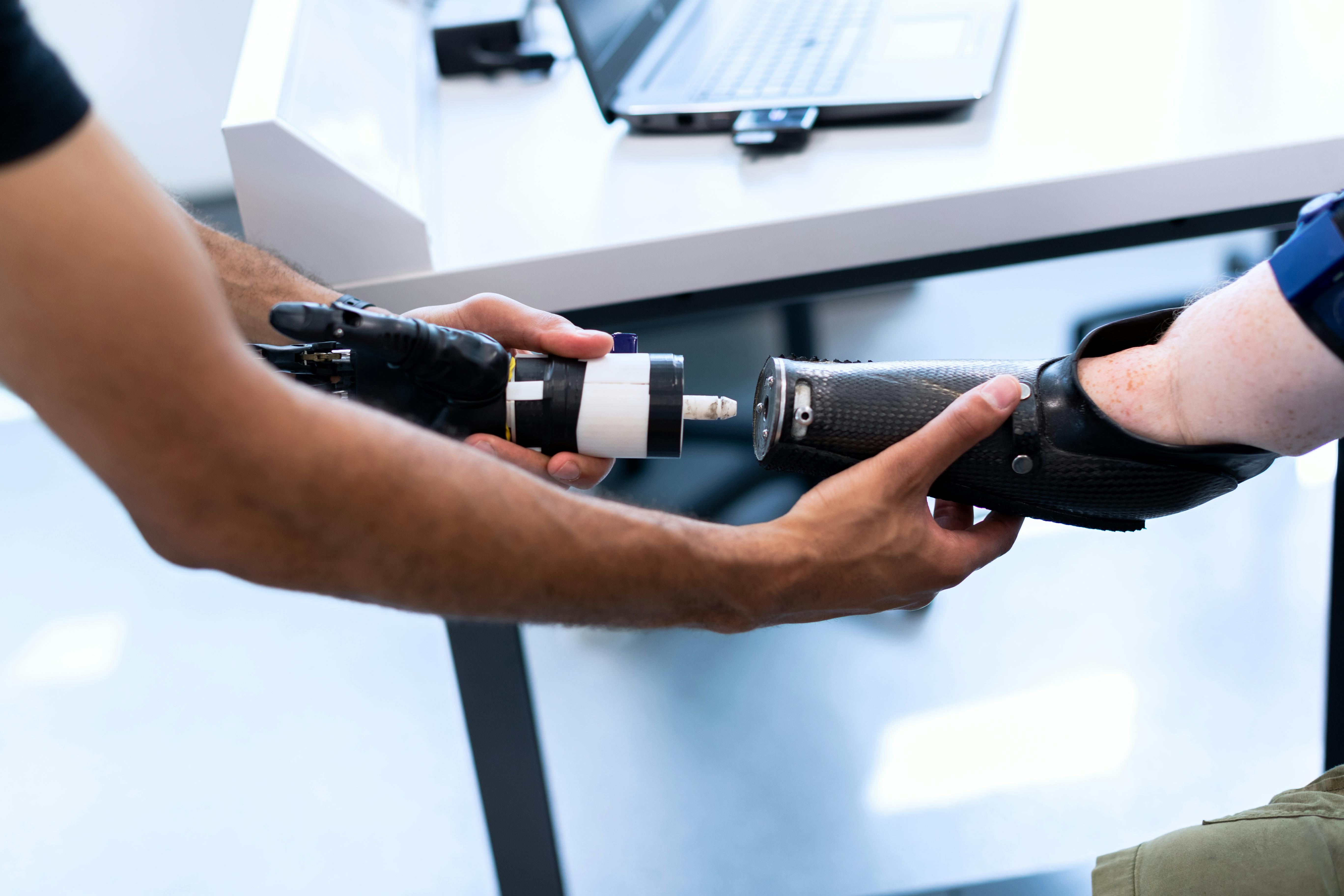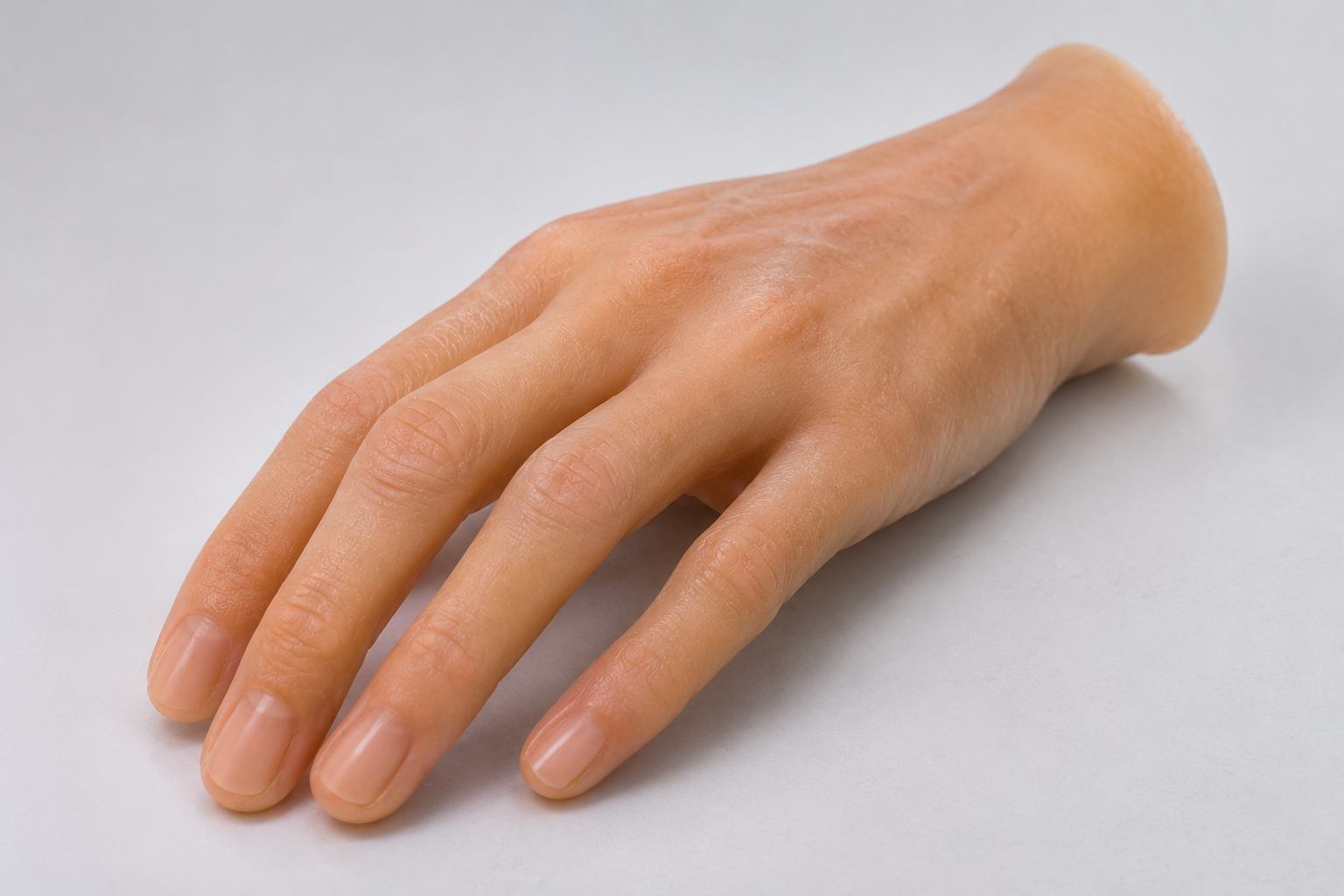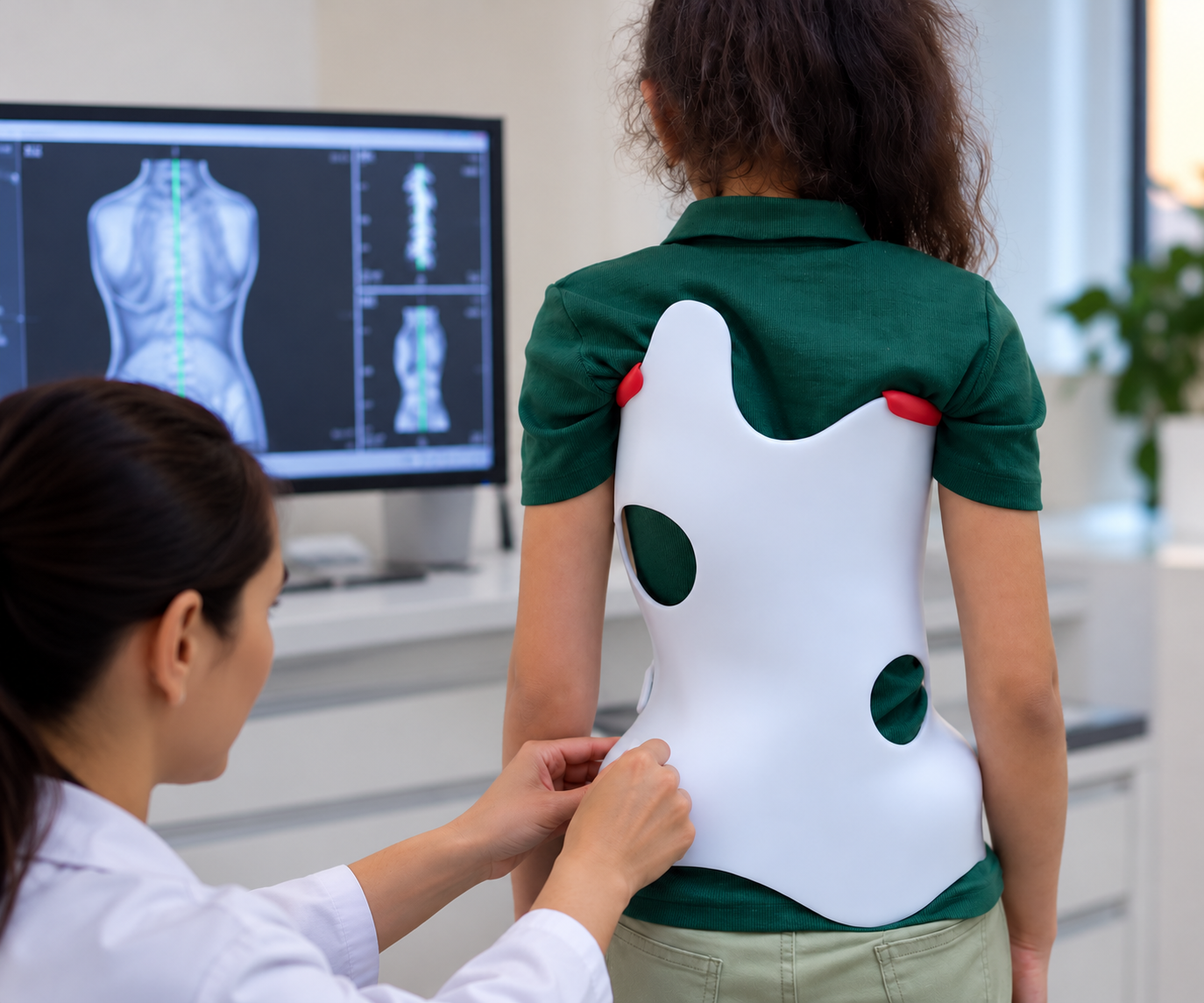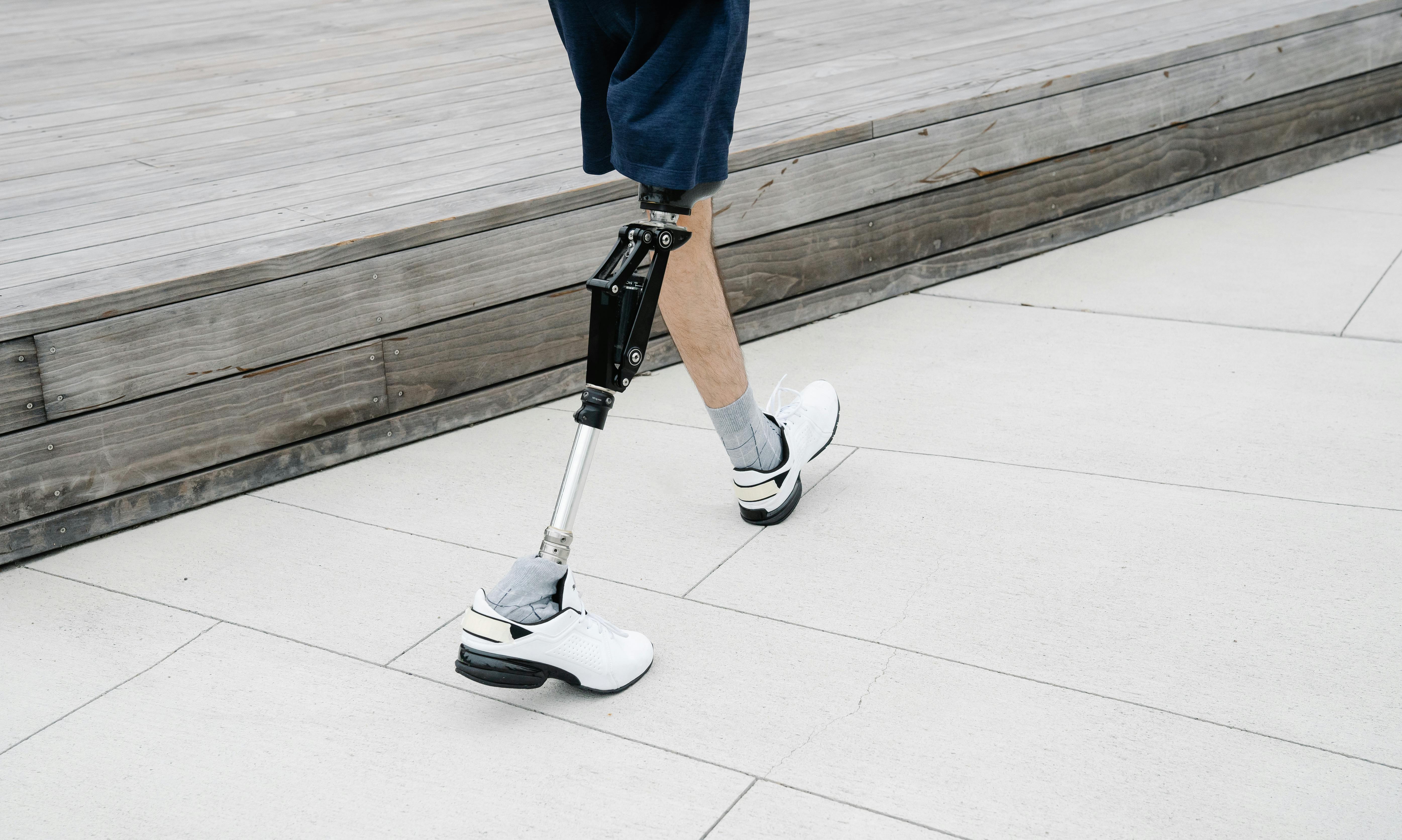
At Medicom, every prosthesis is made to measure, taking into account the level of amputation, the anatomy of the residual limb, and the patient's age, body weight, activity level, occupation and lifestyle.
Our goal is not simply to build a modern prosthesis, but to provide a comprehensive rehabilitation programme that enables patients to move freely again, work, play sport and live a full life.
Who Is Lower Limb Prosthetics Recommended For?
Prosthetic fitting is recommended for patients with the following conditions:
- Amputation at foot level
- Below-knee (transtibial) amputation
- Above-knee (transfemoral) amputation
- Hip disarticulation
- Congenital lower limb deficiencies
- Traumatic amputations
- Amputations resulting from complications of diabetes or vascular disease
- Amputations performed for cancer or other medical reasons
How Does the Prosthetic Process Work?
Free Initial Consultation
We begin with a thorough clinical assessment. Medicom specialists evaluate the amputation level, the condition of the residual limb, range of motion, muscle strength and activity level, and set the functional goals for your prosthesis.
Measurements and 3D Scanning
For maximum precision, we use advanced 3D scanning technology to create a highly accurate digital model of the residual limb.
Digital technology makes socket fabrication considerably more precise, improves its anatomical fit and ensures a high level of comfort once the prosthesis is in everyday use.
Custom Prosthesis Design
Every prosthesis is designed for the individual.
When choosing the design, we take into account:
- Amputation level
- The patient's age and body weight
- Mobility level
- Occupation
- Lifestyle
- Expected functional demands
Based on this comprehensive assessment, our specialists select the optimal combination of modular components to deliver maximum safety, comfort and function.
Fitting and Dynamic Alignment
Once the prosthesis has been made, the first fitting takes place.
At this stage, our specialists:
- Check the socket fit
- Analyse gait biomechanics
- Adjust the modular components
- Correct the alignment of the prosthesis in space
- Fine-tune the prosthesis as a whole
Prosthetic Training and Rehabilitation
After the final fitting, patients learn how to use their prosthesis correctly.
The adaptation programme includes:
- Learning to walk safely
- Learning to distribute weight correctly
- Balance and coordination training
- Restoring a natural, physiological gait pattern
- Guidance on everyday use and care of the prosthesis
Long-Term Technical Support
Medicom specialists continue to support every patient after the fitting is complete.
We provide:
- Free maintenance
- Periodic adjustment of the prosthesis
- Preventive check-ups
- Replacement of consumable parts as needed
- Expert advice throughout the service life of the prosthesis
Technologies We Use
Medicom uses world-leading technology in lower limb prosthetics.
Our key partners are the world's leading manufacturers of orthopaedic components:
- Ottobock (Germany)
- Össur (Iceland)
- Iber (Turkey)
In our work, we use:
- Digital 3D scanning
- CAD/CAM technology
- Digital socket modelling
- High-strength carbon-fibre structures
- Energy-return feet
- Hydraulic knee units
- Pneumatic knee units
- Microprocessor-controlled knee joints
- Bionic prosthetic technology
- Sports prosthetic systems for highly active patients
Types of Prostheses We Make
Everyday Prostheses
Designed for daily wear, these prostheses provide comfortable mobility at home, at work and in public places.
Their design prioritises safety, reliability, ease of use and gait biomechanics that are as natural as possible.
They help patients return to their normal routine as quickly as possible while keeping a high degree of independence.
Prostheses for High-Activity Users
Developed for patients who lead an active lifestyle.
They feature advanced carbon-fibre components, energy-return feet and high-performance modular systems, allowing users to walk confidently over long distances, tackle difficult terrain and cope with intense physical exertion.
Bionic Prosthetic Systems
Bionic prostheses represent the cutting edge of lower limb prosthetics.
Using microprocessor technology, the system analyses the user's movements in real time and automatically adapts the knee unit to walking speed, changes in terrain, and climbing or descending stairs.
The result is the most natural gait possible, a high level of safety and a significantly lower risk of falls.
Sports Prostheses
Sports prostheses are designed for patients who want to take up running, athletics, fitness training and other sports.
They are built for maximum energy return, stability and efficiency of movement, enabling users to stay highly active.
Why Choose Medicom?
- Over 20 years of professional experience
- Every prosthesis individually made
- World-leading technology
- Advanced digital 3D technology
- Free initial consultation
- Outreach consultations for patients in remote regions
- Free long-term technical support
- A comprehensive rehabilitation and adaptation programme
Production Time
A prosthesis usually takes 3 to 8 weeks to make, depending on the amputation level, the complexity of the clinical case and the chosen design.
Frequently Asked Questions
Is it possible to learn to walk again after an amputation?
Yes. With the right prosthesis and a well-organised rehabilitation programme, most patients successfully return to walking independently and to their usual daily activities.
How is the most suitable type of prosthesis chosen?
The choice of design is based on the amputation level, the condition of the residual limb, and the patient's age, body weight, activity level, occupation and individual functional needs.
Can I take part in sport with a prosthesis?
Yes. For patients with an active lifestyle, Medicom makes specialised sports prostheses designed for a range of physical activities.
Do you provide maintenance after the prosthesis is fitted?
Yes. Every Medicom patient receives free servicing, technical support and expert advice for the entire service life of their prosthesis.
What if I can't travel to the centre?
For patients living in remote regions, Medicom specialists regularly hold outreach consultations, diagnostics and initial assessments.
How is the cost of a prosthesis determined?
The cost is calculated individually and depends on the amputation level, the components chosen, the functional requirements and the complexity of the design.
That is exactly why the initial consultation and comprehensive assessment at Medicom are free of charge.